Diary Entry forMagellan

No note added for this entry.
Other Diary Entries forMagellan

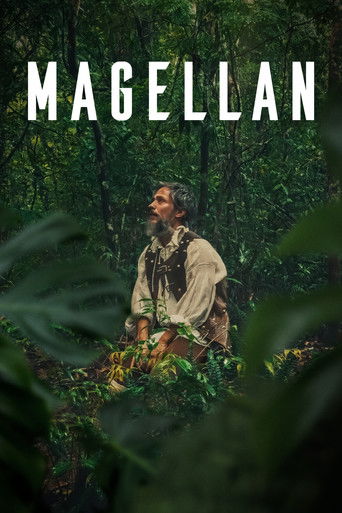
Magellan
“si lapu-lapu na wakwak” i always have so much fun when it comes to ph historical films especially when the said history is drilled into me since childhood till adulthood. i especially love the part with lapu-lapu. i always find the lapu-lapu part of our history so fascinating because of the different perspectives where the spaniards —through antonio pigafetta— thought that lapu-lapu killed magellan and the indigenous filipinos knows lapu-lapu is a myth, a way to manipulate magellan and his people and to essentially reject colonization. its such a bittersweet moment however to see the indigenous filipino celebrate their win knowing that the spaniards would once again attempt to colonize philippines and be successful with it this time. this is my first lav diaz film despite knowing abt him for years and what a great way to be introduced to his work. its such a beautifully shot film where dialogue isnt needed especially when the actions of the characters and the environment itself is narrating the story. also obsessed with the sound design.

Magellan
God is silent, and yet people are seeking for it. There are no words to describe this film because I am completely speechless on how it is delivered; we are witnessing such macabre, but only the aftermath of it, just like how we are living right now, because we are the aftermath of colonialization and we are trying to decolonialize ourselves.

Magellan
had the miracle of timing on my side (classes were suspended on the same day that this movie was screened in my local cinema) so i took the pleasure of watching it. this is my introduction to lav diaz, and oh my GOD. his way of cinematography is so, so beautiful to me. i’m in love with how each shot feels like a painting. (this may be my awakening to slow cinema) i admit my patience was tested during this film (and yes i’m aware 3hrs is a short film for diaz), but i think it’s worth it! magellanis a monumental epic about the eponymous conquest in his final days of life as he traversed to the philippines, and with a story like that, i completely understand the long runtime (i kinda even needed more too) someone pointed out how anti-climactic it is and I SO AGREE. one would think that a story about the first early battles of the country would contain scenes of brutality and blood—BUT NOOOO. it’s so haunting seeing dead bodies lying still on the floor against the quiet of nature. like genuinely, it made my heart drop at how empty it felt (positive). historically, i don’t know how accurate this is, which i acknowledge that it is critical because this an be categorized as a biopic. the scenes during the ship gave me a glimpse of what it felt like and what they usually do in that timeline, so that was nice. i’ve seen comments on how inaccurate the portrayal of native filipinos were (why did magellan go all the way from portugal to an island full of humble huts??,?.?) and about the stylistic choice to make lapulapu a story to scare off the portuguese (that was very interesting, but, again, i don’t know if it’s historically accurate) i’m not a very well-nuanced critic nor do i have the historical background to dissect the plot, i just like movies so i have little to no negative constructive criticism on this film. soooosososo yeah i really enjoyed watching this! i hope that this gets some recognition at the oscars, goodluck lav diaz!

Magellan
“𝘞𝘩𝘦𝘳𝘦 𝘢𝘳𝘦 𝘸𝘦 𝘨𝘰𝘪𝘯𝘨? 𝘞𝘩𝘺 𝘢𝘳𝘦 𝘸𝘦 𝘴𝘵𝘪𝘭𝘭 𝘧𝘰𝘭𝘭𝘰𝘸𝘪𝘯𝘨 𝘵𝘩𝘦 𝘈𝘧𝘳𝘪𝘤𝘢𝘯 𝘤𝘰𝘢𝘴𝘵?” “𝘍𝘰𝘳 𝘴𝘦𝘤𝘶𝘳𝘪𝘵𝘺 𝘳𝘦𝘢𝘴𝘰𝘯𝘴.” “..𝘞𝘩𝘢𝘵 𝘪𝘴 𝘵𝘩𝘦 𝘴𝘶𝘱𝘱𝘰𝘴𝘦𝘥 𝘵𝘩𝘳𝘦𝘢𝘵?” “𝘛𝘩𝘦 𝘵𝘩𝘳𝘦𝘢𝘵 𝘰𝘧 𝘪𝘯𝘴𝘦𝘤𝘶𝘳𝘪𝘵𝘺.” Peak Diaz. Proof that if you give a good man good money then he is set out to do much good. A Diaz film looks so good in color. To see the riches of nature. Overgrown and plenty in contrast to the ugly narrative of the colonizer. People die on boats. Go insane. Plagued with guilt and loneliness. And when all of that is exported to Cebu to deliver the message of Christianity, it ends up in blood and flames and the deconstruction and destruction of white man’s morality. Perhaps his best work, Diaz delivers with such great frames that produce something more than painting, more than portraits of a lost world. Where Haneke's still camera works from domestic mundanity in urban spaces, Diaz's framing is through the symbiotic nature of nature and human nature. The clashing, the grieving. The struggles, the frustrations. And to hear it all. Nature singing. Screaming. Fire cackling. Agony is a white noise, a soft hum through centuries of colonization that never ends.
Sign in to track, rate and review films
Sign in to track, rate and review films
