Reviews by

Not Monsters, but Men

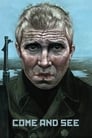
To be clear, "Come and See" does not downplay the horrific acts committed by the Nazi party during World War II. In fact, it is quite the opposite, with the film often being cited as an exception to Truffaut's famous statement on the nature of anti-war film. We see them smile, laugh, and derive joy from the destruction and burning of innocent people. What struck me about Klimov's depiction of the Nazis was its breakaway from the stereotypical view found in popular culture. Often, the Nazi party is used as a symbol of complete evil and destruction. While this usage is certainly not wrongly attributed, it puts things through a black and white lens that can take away from the reality of the situation. Despite the terrible acts, every single member of the Nazi party is still a member of the human race, even if they do not act like it. The proper communication of this idea is what gives "Come and See" much of its chilling effect. The infamous red, white, and black Nazi iconography is used sparsely throughout the film. An isolated shot of a German soldier would not glaringly reveal their allegiance. Perhaps the most memorable example of this is found in Adolf Hitler himself. In one of the last scenes of the film, we see our protagonist firing upon a portrait of Hitler. A reversed overview of his history, crafted with real footage, brings forth another bullet at each stage of life. Finally, we get to Hitler as an infant, and our protagonist hesitates. Again, a reminder of what lies beneath the mask of the monster: a human being. There is no excuse for the atrocities committed by Nazi Germany during World War II, and "Come and See" gives a grim view into the truth: this conflict is not monsters against humans, but humans against humans.
The Night of the Hunter
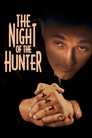
It's a shame that Charles Laughton directed only a single movie throughout his career, because Night of the Hunter is perhaps one of the greatest films of all time. Each shadow like a brush stroke, each movement like a dance, it is certainly a masterpiece of expressionist cinema. Robert Mitchum perfectly plays the role of the "preacher," utilizing Biblical scriptures to pursue his Satanic goals. The hellish imagery created around him, notably through his cries of agony, never fail to remind me of Peter O'Toole in Lawrence of Arabia; that is, the use of facial expressions is preferred there to push the idea of the false prophet. A sense of dread and terror creeps over the body when Mitchum turns that corner, or opens that door, or rises over that hill, a sense of dread and terror so masterfully created which is only intensified by the beautifully crafted soundtrack. Countless memorable scenes stick in the mind after viewing, whether that be Mitchum's tale of "Love" and "Hate," Shelley Winter's hair flowing in the water like sea grass, or little John's desire for a father figure consuming his mind at the end of the film. Without a doubt, one of the greats.
